5G Update
5G is no longer a tech buzz word as, at least in developed countries, it is almost a given, and while 4G is still the share leader globally, 5G has made great strides over the last few years and is expected to eclipse 4G before the end of the decade. That said, 6G is under serious development (also expected by the end of the decade), and 5G-A (Advanced) has become a focus for those countries that are trying to establish a higher than average level of communication infrastructure.
During the next 5 years, as 6G is developed there will be some interim steps in the mobile communication race that will pave the way for 6G while establishing a more robust 5G infrastructure to replace aging 3G and 4G technology. The first step in that plan is implementing 5G-SA (Stand-alone), with 5G-A to follow. Much of the current 5G infrastructure is not ‘true’ 5G in that its core is 4G. Using existing 4G mobile network topology allows carriers to deploy a 5G overlay with a minimal capital cost. The 4G core handles 5G control signaling for functions like mobility management and serving gateways and can also provide wired or wireless backhaul for 5G traffic, along with sharing power supplies, towers, and similar equipment. Most importantly, DSS (Dynamic Spectrum Sharing) technology allows both 4G LTE and 5G NR to operate dynamically in the same frequency band instead of forcing static band splits that waste spectrum.
During the next 5 years, as 6G is developed there will be some interim steps in the mobile communication race that will pave the way for 6G while establishing a more robust 5G infrastructure to replace aging 3G and 4G technology. The first step in that plan is implementing 5G-SA (Stand-alone), with 5G-A to follow. Much of the current 5G infrastructure is not ‘true’ 5G in that its core is 4G. Using existing 4G mobile network topology allows carriers to deploy a 5G overlay with a minimal capital cost. The 4G core handles 5G control signaling for functions like mobility management and serving gateways and can also provide wired or wireless backhaul for 5G traffic, along with sharing power supplies, towers, and similar equipment. Most importantly, DSS (Dynamic Spectrum Sharing) technology allows both 4G LTE and 5G NR to operate dynamically in the same frequency band instead of forcing static band splits that waste spectrum.
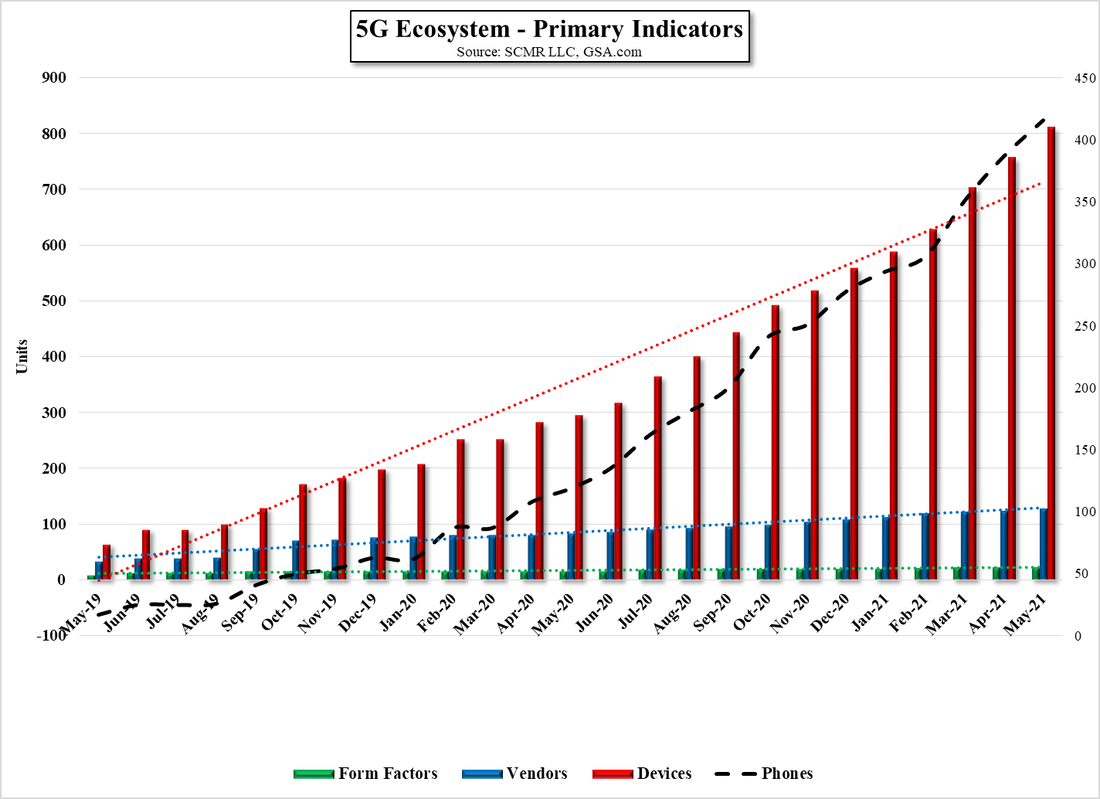
In countries where telcos are state owned or operated or are heavily subsidized, the tendency is to add 5G core rather than piggyback on 4G, but in countries (like the US) where many telcos are public companies, the obvious route was and is to establish 5G NSA (Non-standalone) networks as consumers become familiar with the technology and are willing to pay a bit of a premium for the service. 5G SA provides lower latency than 5G NSA, which makes it ideal for applications that require a constant connection between devices where data loss or interruption could lead to major problems. Autonomous vehicles, AR/VR systems, robotics, and our favorite, remote surgery, all require the extremely low latency that 5G SA can provide. It also enables network slicing, essentially the allocation of multiple virtual networks operating on the same physical infrastructure, each with its own characteristics.
These advantages are for 5G SA over both 5G NSA and 4G, but before we get to 6G a few years down the road, 5G Advanced will be implemented. This iteration is a refined build on 5G SA that allows for AI and machine learning optimization to improve load balancing and overall performance. It also allows for indoor and outdoor positioning accuracy of under 10 cm, which is essential for robotics, industrial automation, and AR/VR/XR positioning, and it focuses on dynamic power management through synchronization techniques that can reduce power consumption across the network. It won’t get the press that the trasition from 4G to 5G did, but it will make an appreciable difference in both network performance and cost. Whether that cost savings gets passed on to consumers (right!) is a separate question.
In the race between China and the US over who can install more 5G, the socio-economic aspects of the rivalry made the ultimate difference. The Chinese government supported the early buildouts and while the US encouraged the race from a political standpoint, China’s buildout was greater. Unfortunately base station installation numbers are relatively hard to come by currently as the 5G buildout is now rooted in “percent of population covered” stats, which leave a bit more to the provider in terms of accuracy, but more telling are the metrics for 5G SA, sort of an indicator as to the stage at which 5G is being rolled out in each country. Again China remains far ahead on strong government support and financing.
All in, while 5G no longer makes headlines, it has become integral in communication services around the globe. With the implementation of AI at the personal or edge level, it will continue to gain share and improve as 5G SA takes hold and 5G – Advanced begins to have traction. These are not overnight transitions and can be significantly affected by economic and political conditions, but the inevitable push toward lower latency, higher transmission speeds, and higher level bandwidth management will continue to push 5G and eventually 6G forward, whether consumers notice or not.
These advantages are for 5G SA over both 5G NSA and 4G, but before we get to 6G a few years down the road, 5G Advanced will be implemented. This iteration is a refined build on 5G SA that allows for AI and machine learning optimization to improve load balancing and overall performance. It also allows for indoor and outdoor positioning accuracy of under 10 cm, which is essential for robotics, industrial automation, and AR/VR/XR positioning, and it focuses on dynamic power management through synchronization techniques that can reduce power consumption across the network. It won’t get the press that the trasition from 4G to 5G did, but it will make an appreciable difference in both network performance and cost. Whether that cost savings gets passed on to consumers (right!) is a separate question.
In the race between China and the US over who can install more 5G, the socio-economic aspects of the rivalry made the ultimate difference. The Chinese government supported the early buildouts and while the US encouraged the race from a political standpoint, China’s buildout was greater. Unfortunately base station installation numbers are relatively hard to come by currently as the 5G buildout is now rooted in “percent of population covered” stats, which leave a bit more to the provider in terms of accuracy, but more telling are the metrics for 5G SA, sort of an indicator as to the stage at which 5G is being rolled out in each country. Again China remains far ahead on strong government support and financing.
All in, while 5G no longer makes headlines, it has become integral in communication services around the globe. With the implementation of AI at the personal or edge level, it will continue to gain share and improve as 5G SA takes hold and 5G – Advanced begins to have traction. These are not overnight transitions and can be significantly affected by economic and political conditions, but the inevitable push toward lower latency, higher transmission speeds, and higher level bandwidth management will continue to push 5G and eventually 6G forward, whether consumers notice or not.
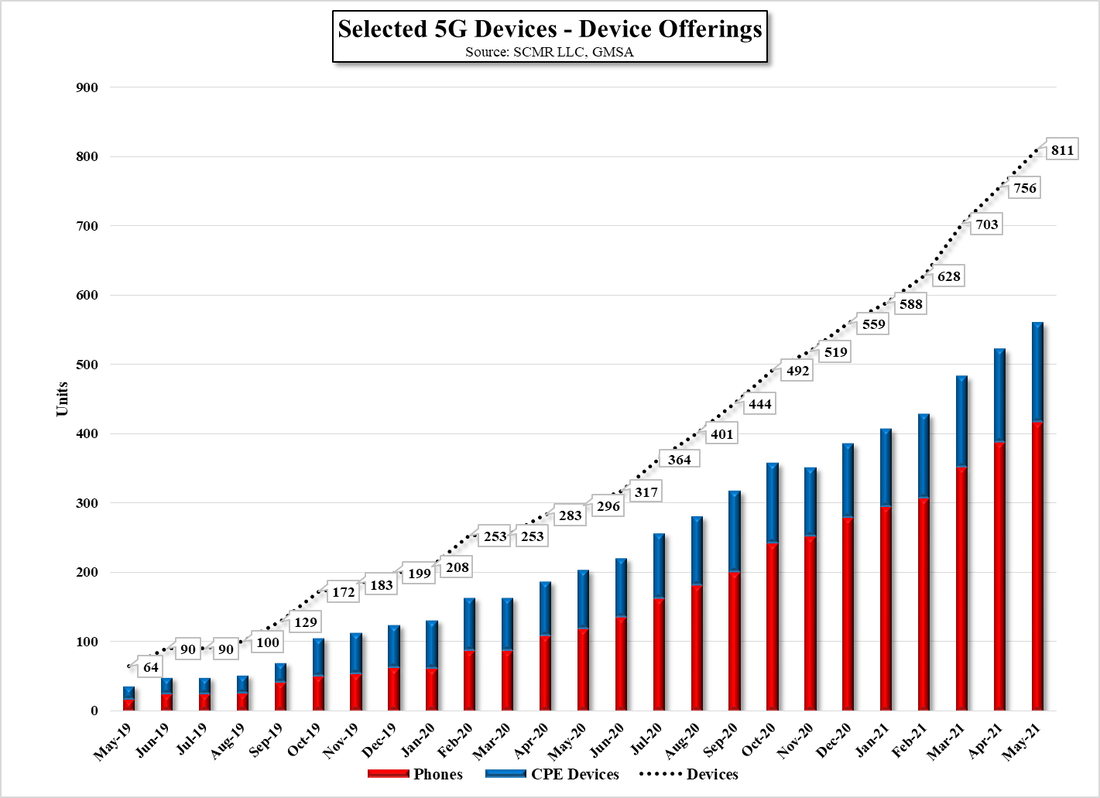
Figure 2 - Top 10 5G Stand-Alone Share by Country - Source: SCMR LLC, Ookla
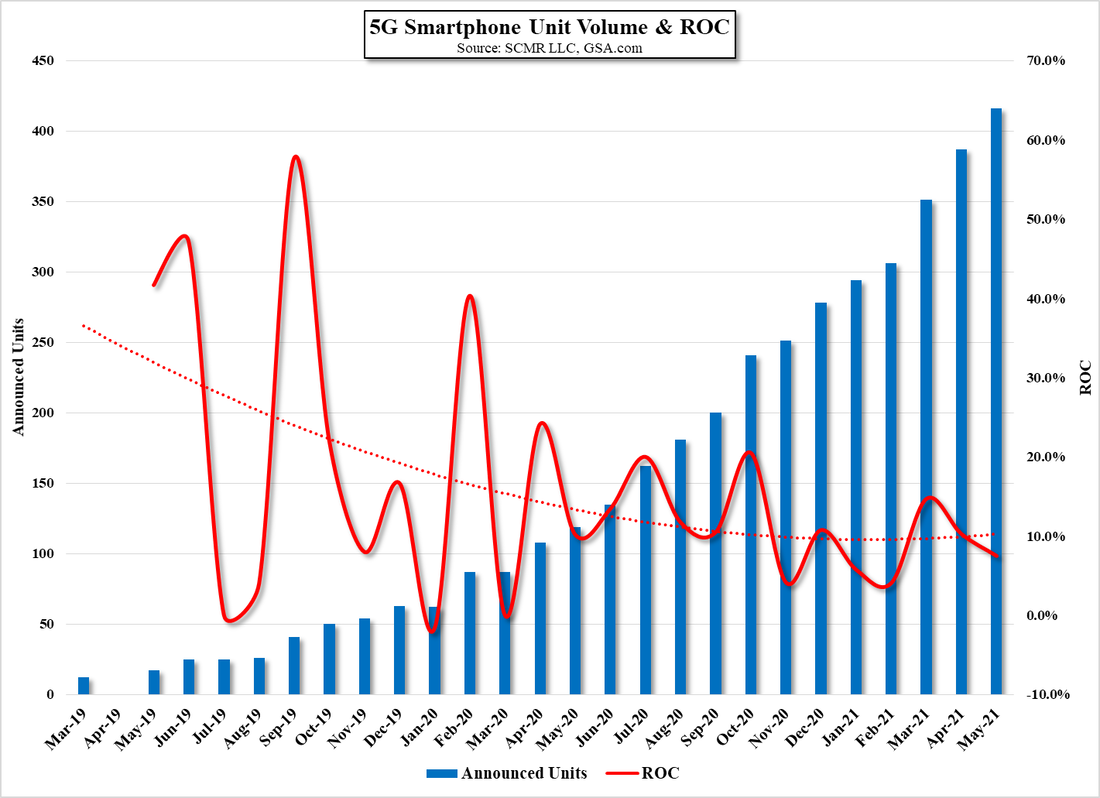
Figure 3 - 5G Device Offering Growth - 2019 - 2025 YTD - Source: SCMR LLC, GSMA
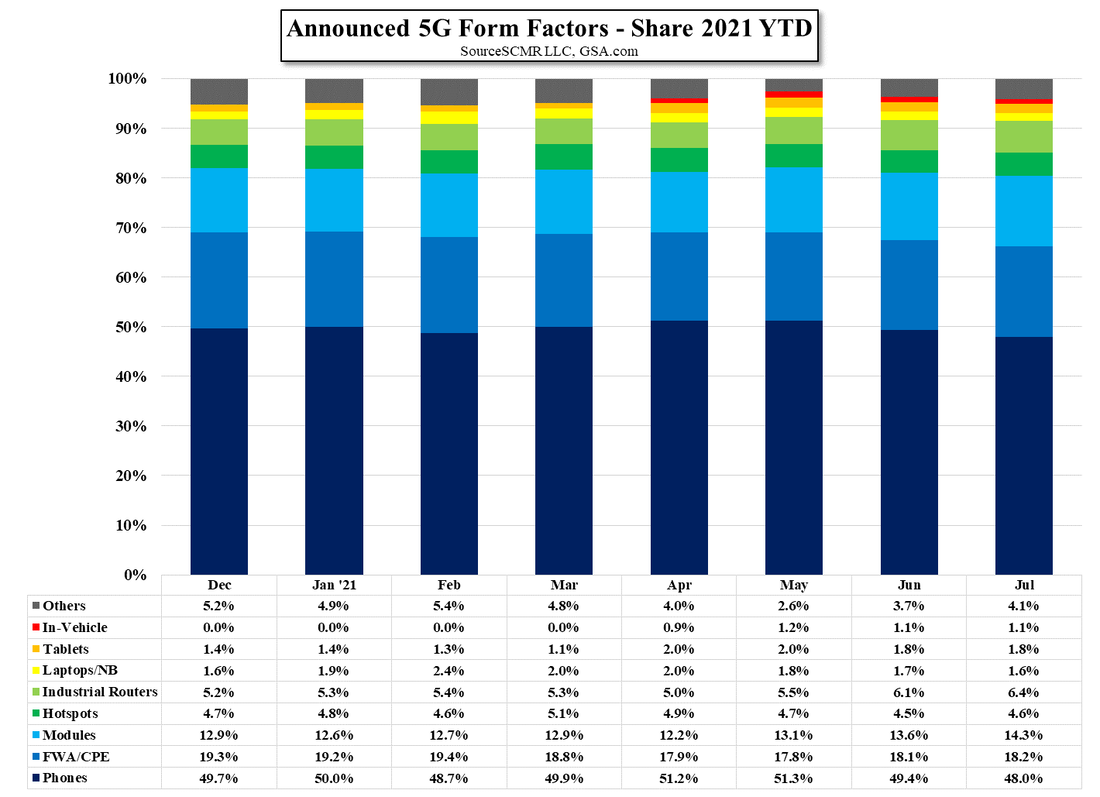
Figure 4- 5G Standalone Installations Across the Globe - Source: Ookla
 RSS Feed