Cats & Dogs
For centuries humans have woken up next to cats and dogs. While initially serving as ‘rodent administrators’ or ‘avian reduction specialists’, cats eventually convinced humans that they were warm and cuddly and should not be required to work. Dogs were certainly workers (once they learned that humans were not food) and continue to help humans maintain livestock and act as the occassional watchdog, when they are not too tired. But beyond these production oriented jobs, dogs and cats are mostly to provide emotional support. When you split up with your current boyfriend, who takes 5 seconds out of their busy schedule to run their tail over your ankle to soothe the pain? Who is willing to give you at least 2 minutres after you walk in the door to put down your car keys and briefcase before he drags you out to take a walk?
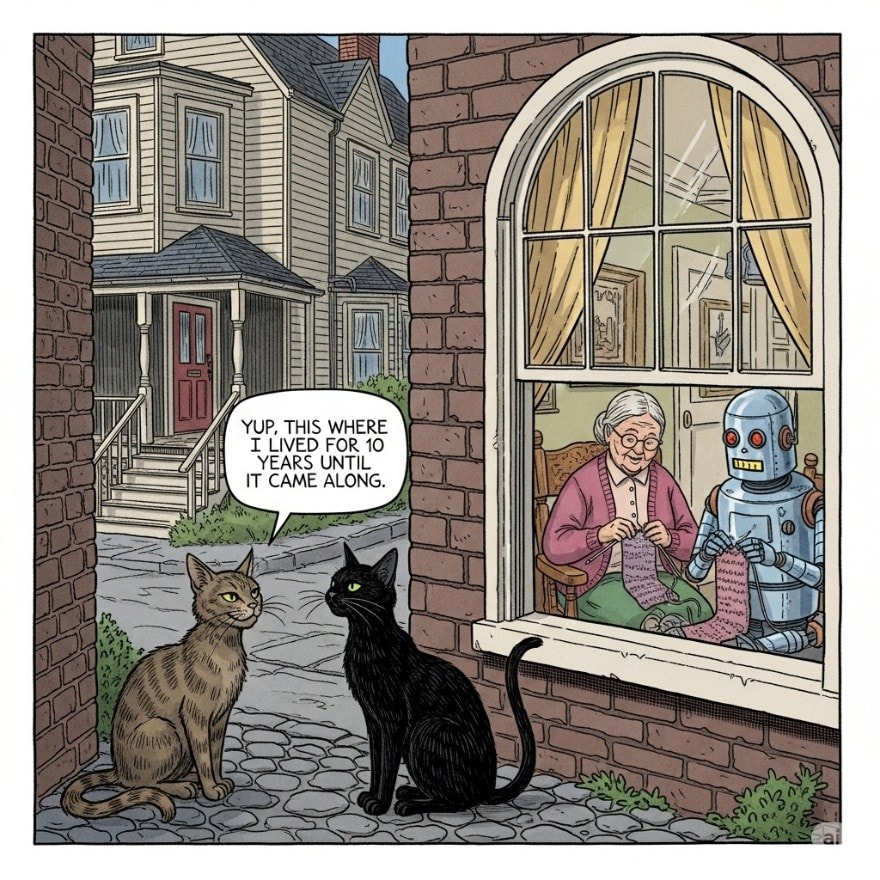
But if AI model builders get their way, pets could be replaced by ‘Emobots’, essentially little artificial pets that are designed to provide companionship and emotional support, and that is going to leave the world’s 375m pet cats and 450m pet dogs without anyone to cuddle up with at night or give far too many treats when they acknowledge your existence. Whie they are sort of human-like, our pets are animals that are driven by instinct and a need to reproduce. In most cases if we provide for their basic needs they will stay with us for as long as possible, but they cannot provide the level of communication that emobots can, and some need more than a purr or a face lick to feel complete.
The Asian market is the campground for emobots, particularly China, with a particularly tech savvy clientele, but while everyday folks might want to sit on the sofa with their emobot for company, there are other applications, particularly in hospitals and nursing homes where emobots might play a roll that is more difficult for cats and dogs. In such cases emobots can not only help emotionally, providing more human-like companionship, but can also be used to monitor both physical and mental health. However the problem is the most needy in the health category would be those in the 60+ year old age bracket, the age bracket with the least percentage of users.
In order to compensate for this lack of enthusiasm or trust that pervades the boomer class, bot designers are not only focused on how the bot interacts with the user on a conversational or emotional basis, but also on a tactile basis, with some temperature controlled to better simulate human characteristics. Fur is certainly a crowd-pleaser and the ability to understand and exhibit emotions plays an important part in ‘humanizing’ machines that speak, which means aside from the tactile sensing, they need to be able to recognize facial expressions, along with the ability to create their own facial expressions in response.
But if AI model builders get their way, pets could be replaced by ‘Emobots’, essentially little artificial pets that are designed to provide companionship and emotional support, and that is going to leave the world’s 375m pet cats and 450m pet dogs without anyone to cuddle up with at night or give far too many treats when they acknowledge your existence. Whie they are sort of human-like, our pets are animals that are driven by instinct and a need to reproduce. In most cases if we provide for their basic needs they will stay with us for as long as possible, but they cannot provide the level of communication that emobots can, and some need more than a purr or a face lick to feel complete.
The Asian market is the campground for emobots, particularly China, with a particularly tech savvy clientele, but while everyday folks might want to sit on the sofa with their emobot for company, there are other applications, particularly in hospitals and nursing homes where emobots might play a roll that is more difficult for cats and dogs. In such cases emobots can not only help emotionally, providing more human-like companionship, but can also be used to monitor both physical and mental health. However the problem is the most needy in the health category would be those in the 60+ year old age bracket, the age bracket with the least percentage of users.
In order to compensate for this lack of enthusiasm or trust that pervades the boomer class, bot designers are not only focused on how the bot interacts with the user on a conversational or emotional basis, but also on a tactile basis, with some temperature controlled to better simulate human characteristics. Fur is certainly a crowd-pleaser and the ability to understand and exhibit emotions plays an important part in ‘humanizing’ machines that speak, which means aside from the tactile sensing, they need to be able to recognize facial expressions, along with the ability to create their own facial expressions in response.
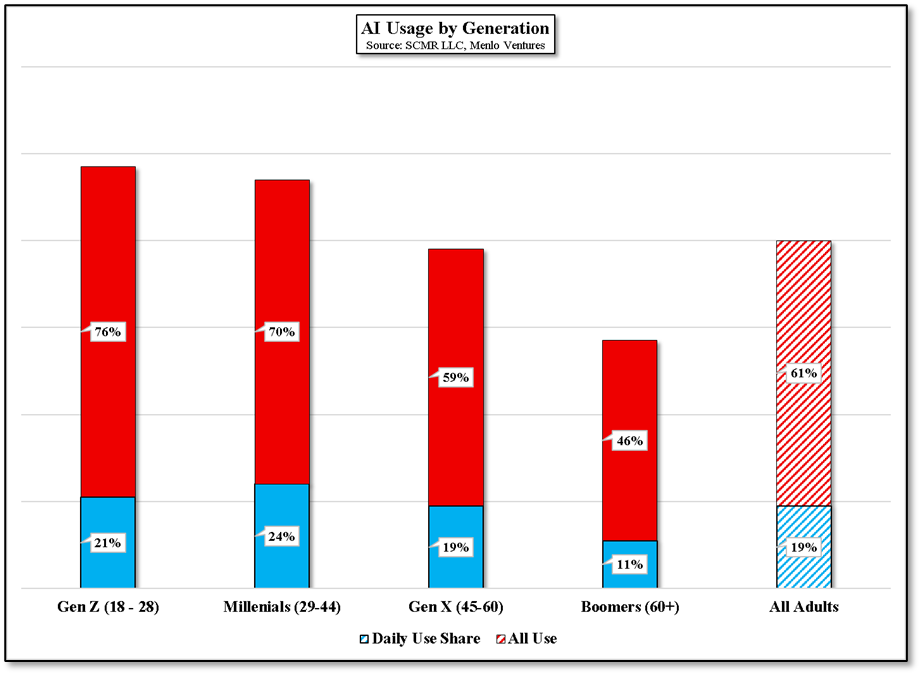
Figure 1 - AI Usage by Generation - Source: SCMR LLC, Menlo Ventures
The problem however seems to be that most of the focus for companion robots is their conversational ability, and while this is certainly the most important need for those who might be wanting or needing a companion bot, it downplays the physical aspects of the bots, and we have already ruled out all of the many terminal or phone based companion bots, as they provide no tactical feedback. GenZers have grown up with digital devices, or at the very least, the ability to have some sort of communication device. That is certainly not the case for boomers who did not have mobile audio until the late 50’s or mobile phones until the mid 80’s and read stories and saw movies about how robots could destroy the earth (Klaatu barada nikto).
This makes them a wary bunch, not easily given to befriending metal humanoids with mechanical voices and a cold, metallic touch. While it seems that furry bots for kids and teens are perfect for easing them into conversations that might be considered a bit personal, older folks seem to wind up with companion bots that look obviously mechanical, under the assumption that the conversation is what matters, rather than the physical manifestation. When it comes to actual companions for the elderly, the most sucessful are 4 legged, furry animals with limited vocabularies that know how to make you feel better with a rub or lick and no words at all.
Ai is adept at molding conversations around questions or comments from users, but despite all the efforts of AI designers, and all of the specialized phrasing (“Wow, that was a very insightful question” or “You seemed to have scoped out the heart of the matter”), it is easy to sense that they have little or no contextual understanding of the real world. Without the user feeling some sort of physical connection, a companion bot is just another annoying ‘mechanical nurse’ reminding you to take you pills or put in your eye drops, but if your cat, who is sleeping by your side was able to pick up her head and say, “Mary, I don’t think you took your pills this morning”, purred for a few minutes, and then went back to sleep, you wouldn’t feel like she should be unplugged for bothering you.
A true companion needs to both sound and feel real. It doesn’t have to be in the form of a real person or animal, but it has to be touchablewith more than a cold metallic surface . Japanese robot designers seem more aware of the need to anthropomorphize robots surfaces and designs, but we see the companion robot space as one that lacks the ‘humanity’ necessary to bring robot companions into the mainstream. It might come in the form of a surface type, a shape or form, or a way of moving, but without the feeling that a companion bot has a real emotional ties with the user, they either become a crutch that the user must rely on just to live or it becomes an expensive clothes rack in the back of the closet, It seems cats and dogs are OK for now.
This makes them a wary bunch, not easily given to befriending metal humanoids with mechanical voices and a cold, metallic touch. While it seems that furry bots for kids and teens are perfect for easing them into conversations that might be considered a bit personal, older folks seem to wind up with companion bots that look obviously mechanical, under the assumption that the conversation is what matters, rather than the physical manifestation. When it comes to actual companions for the elderly, the most sucessful are 4 legged, furry animals with limited vocabularies that know how to make you feel better with a rub or lick and no words at all.
Ai is adept at molding conversations around questions or comments from users, but despite all the efforts of AI designers, and all of the specialized phrasing (“Wow, that was a very insightful question” or “You seemed to have scoped out the heart of the matter”), it is easy to sense that they have little or no contextual understanding of the real world. Without the user feeling some sort of physical connection, a companion bot is just another annoying ‘mechanical nurse’ reminding you to take you pills or put in your eye drops, but if your cat, who is sleeping by your side was able to pick up her head and say, “Mary, I don’t think you took your pills this morning”, purred for a few minutes, and then went back to sleep, you wouldn’t feel like she should be unplugged for bothering you.
A true companion needs to both sound and feel real. It doesn’t have to be in the form of a real person or animal, but it has to be touchablewith more than a cold metallic surface . Japanese robot designers seem more aware of the need to anthropomorphize robots surfaces and designs, but we see the companion robot space as one that lacks the ‘humanity’ necessary to bring robot companions into the mainstream. It might come in the form of a surface type, a shape or form, or a way of moving, but without the feeling that a companion bot has a real emotional ties with the user, they either become a crutch that the user must rely on just to live or it becomes an expensive clothes rack in the back of the closet, It seems cats and dogs are OK for now.
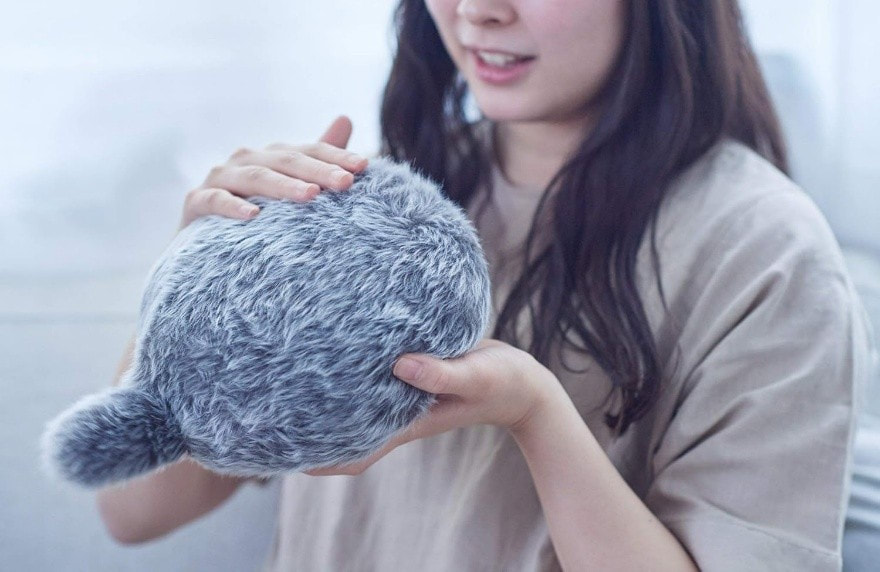
Figure 1 - Qoobo - Intelligent Cushion - Source: Amazon
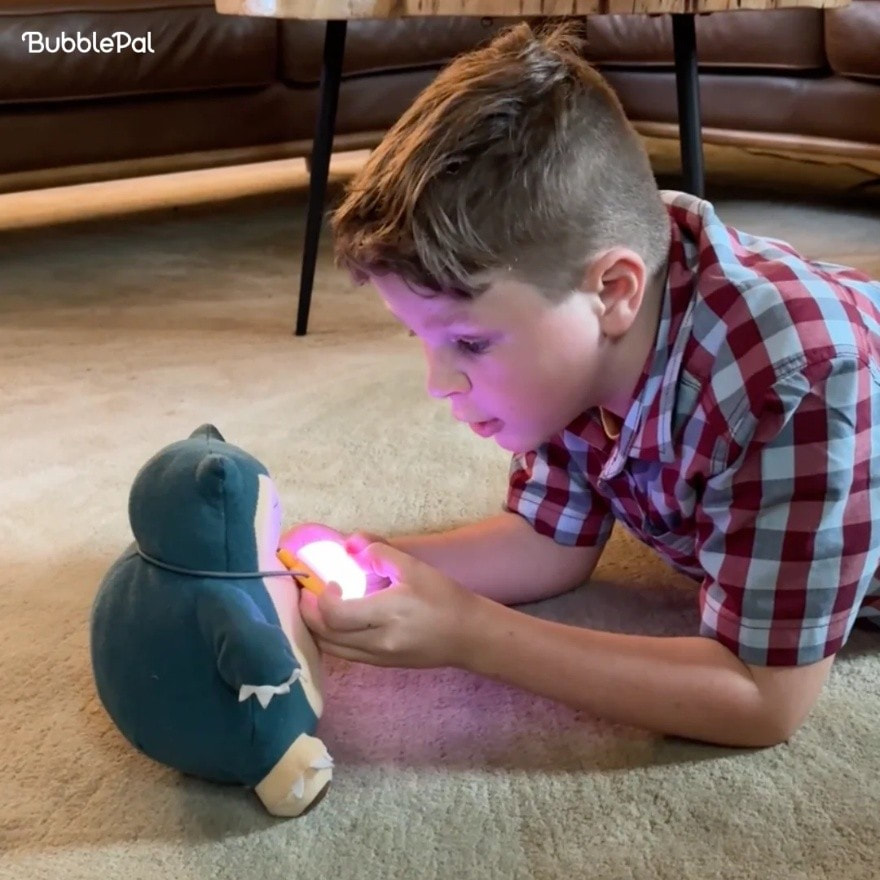
Figure 2 - Bubble Pal AI Necklace - Source: Bubble Pal
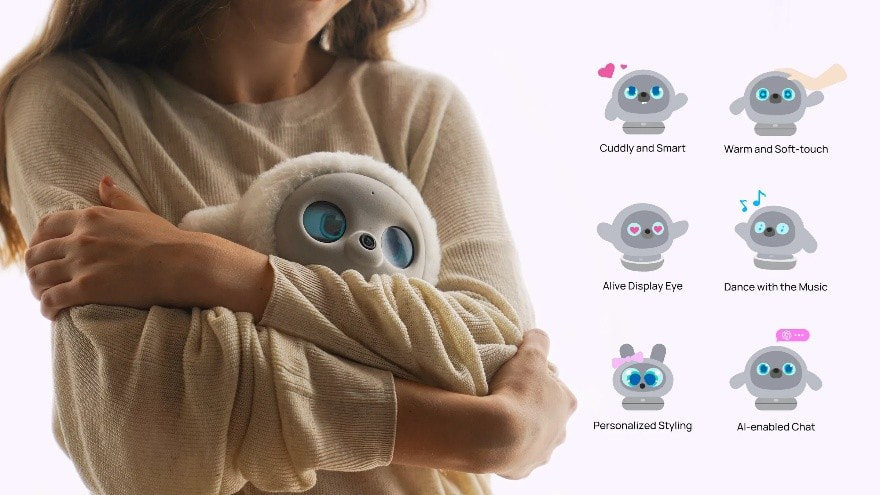
Figure 3 - Ropet - Source: Ropet
 RSS Feed