Rolly-Poly
OLED displays typically garner a premium as their display characteristics tend to be superior to more common LCD displays. However, because OLED displays do not need a backlight, as they are self-emitting (LCDs require a backlight), OLEDs can be produced on flexible substrates, allowing for bendable, foldable, and rollable applications. OLED display producers have been promoting this flexibility characteristic since the early days of OLED display production and it has been a major selling point for OLEDs, particularly foldable OLED displays which have become their own product category for smartphones and laptops. That said, because of the stress at the fold point, foldable displays have had a checkered past, with fold lines and similar issues forming in the early days. Improvements have ben made and stress has been minimized with more sophisticated hinges and updated panel structures, but for devices larger than smartphones (laptops) one alternative to a foldable structure is a rollable one.
Rollable OLED devices take the flexibility of an OLED display and either roll the display around an internal spindle or fold it inside of the device. When needed, a mechanism pulls the hidden part of the display from the device or roller in an external frame. Spindle rollable devices move the stress from a single point (the fold) to across the entire display, which, in theory, should eliminate visible creases, although the tightness of the wind around the spindle is a trade-off between overall stress on the display and the thickness of the rolled spindle/display combination inside the device. Those devices that fold the display inside of the device have the same potential crease issue and require a thicker case.
Until recently, foldable display laptops have been physically similar to foldable smartphones, allowing for an extended screen size by opening a folded display to increase visual real estate. For example the ASUS (2357.TT) Zenbook 17 Fold shown below can be used as a in a number of configurations including with an attached keyboard or with a virtual keyboard that takes up a portion of the lower screen. The laptop has a 12.5” (diagonal) display when in single screen mode and a 17” display when fully opened. This represents an 84.96% increase in screen real estate.
Rollable OLED devices take the flexibility of an OLED display and either roll the display around an internal spindle or fold it inside of the device. When needed, a mechanism pulls the hidden part of the display from the device or roller in an external frame. Spindle rollable devices move the stress from a single point (the fold) to across the entire display, which, in theory, should eliminate visible creases, although the tightness of the wind around the spindle is a trade-off between overall stress on the display and the thickness of the rolled spindle/display combination inside the device. Those devices that fold the display inside of the device have the same potential crease issue and require a thicker case.
Until recently, foldable display laptops have been physically similar to foldable smartphones, allowing for an extended screen size by opening a folded display to increase visual real estate. For example the ASUS (2357.TT) Zenbook 17 Fold shown below can be used as a in a number of configurations including with an attached keyboard or with a virtual keyboard that takes up a portion of the lower screen. The laptop has a 12.5” (diagonal) display when in single screen mode and a 17” display when fully opened. This represents an 84.96% increase in screen real estate.
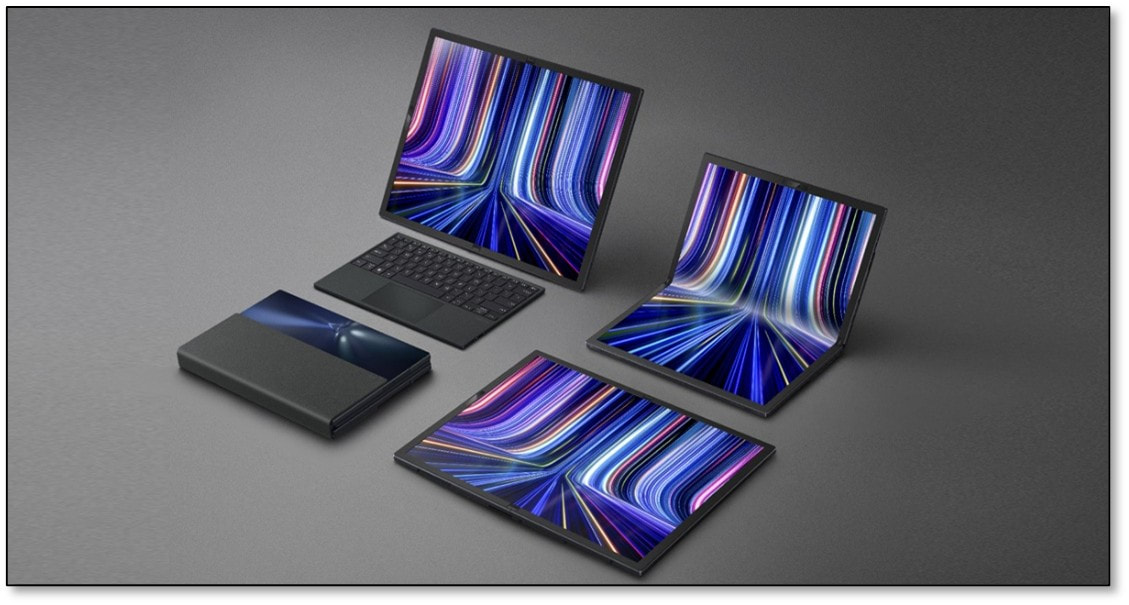
Figure 1 - Example of Foldable Laptop - ASUS Zenbook 17 Fold - Source: ASUS
To be fair, there are also a number of ‘foldable’ laptops that are not true foldables. They are essentially dual screen laptops that can be opened for additional real estate but have a border and fold mechanism between the screens, while true foldables, when opened, have a single continuous display. All of that said, there is a new foldable laptop configuration that is now available, a rollable laptop. The Lenovo (992.HK) ThinkBook Plus is the first consumer oriented rollable laptop, although it has been shown in various forms by the company since 2022 as a concept or demo.
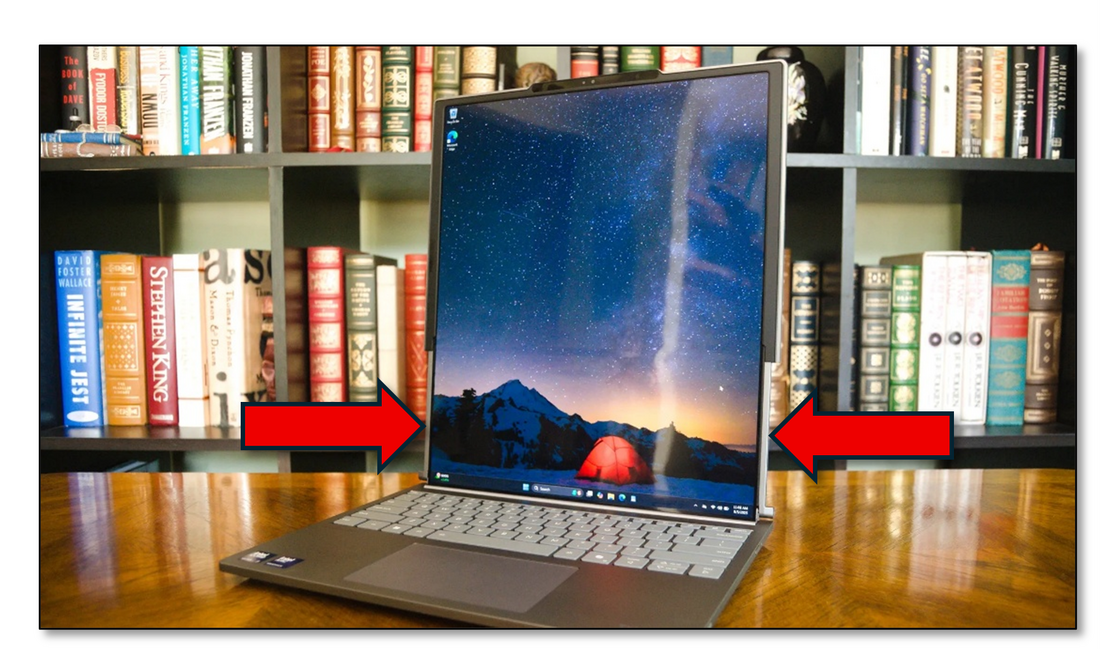
Figure 2 - Lenovo ThinkBook Plus Rollable Laptop (w. extension markers) - Source: SCMR LLC, Lenove
At the push of a button, the screen extends from 14” (diagonal) to 16.7”, an increase in screen real estate of 44.8% in a rigid frame (5:4 aspect ratio when closed, 8:9 when open). The laptop is a bit heavier and thicker than typical Lenovo ThinkBooks but has all the physical bells and whistles that are usual on Lenovo laptops of this class. As did early foldable, the part of the screen that is rolled is not perfectly smooth when extended, something that we expect Lenovo will address with a smoother rolling mechanism and spindle, but other than that the unit seems well put together, although the addition of a motor and extension mechanism in the laptop adds a bit to the potential for problems over time.
The biggest issue with this first of its kind rollable laptop is the price, which is $3,299. In order to put that in perspective, we lined up a few close equivalents (single screen) to compare prices. Based on list pricing the Lenovo rollable is ~77% more expensive than the average of the similars, 32% more expensive than the most expensive comparable and 136% more expensive than the least expensive comparable model. None of this is surprising given the unique nature of this device, but most of the rollable’s other specs are more comparable than one might have expected. The ThinkBook Plus is certainly not the heaviest, is smaller (closed) than all the others, and compares in all other aspects other than price, at least for now, but it will take some die-hard fans to generate sales with this kind of premium, and unless Lenovo is convinced that rollable laptops are the wave of the future, ahead of foldables and dual-screen devices, the rollable laptop category is not going to set the world on fire right away.
We do expect others, for no reason other than one-upmanship, to follow suit, but if the bugs can be ironed out in a generation or so, it would seem to be a viable category if the premium were less onerous. We have no doubt that as the rollable ecosystem develops further, the price will come down, but there are lots of alternatives for those who are still able to live with a small bezel between two windows.
The biggest issue with this first of its kind rollable laptop is the price, which is $3,299. In order to put that in perspective, we lined up a few close equivalents (single screen) to compare prices. Based on list pricing the Lenovo rollable is ~77% more expensive than the average of the similars, 32% more expensive than the most expensive comparable and 136% more expensive than the least expensive comparable model. None of this is surprising given the unique nature of this device, but most of the rollable’s other specs are more comparable than one might have expected. The ThinkBook Plus is certainly not the heaviest, is smaller (closed) than all the others, and compares in all other aspects other than price, at least for now, but it will take some die-hard fans to generate sales with this kind of premium, and unless Lenovo is convinced that rollable laptops are the wave of the future, ahead of foldables and dual-screen devices, the rollable laptop category is not going to set the world on fire right away.
We do expect others, for no reason other than one-upmanship, to follow suit, but if the bugs can be ironed out in a generation or so, it would seem to be a viable category if the premium were less onerous. We have no doubt that as the rollable ecosystem develops further, the price will come down, but there are lots of alternatives for those who are still able to live with a small bezel between two windows.

 RSS Feed